Just How to Dry Waterproof Camping Tent Fabrics Effectively
If you've simply returned from a camping journey in the rain, or merely packed up a wet camping tent in a hurry, knowing how to dry your waterproof tent material correctly is just one of the most crucial skills on duty maintenance. Done right, it protects the waterproof coating, stops mold and mold, and extends the life of your tent by years. Done wrong, also the most difficult tent can weaken faster than you 'd anticipate.
Why Correct Drying Out Issues Greater Than You Believe
Water-proof camping tent textiles-- whether coated with polyurethane (PU) or treated with a Sturdy Water Repellent (DWR) surface-- are sensitive to both moisture and warm. Saving a tent while it's still wet is one of the fastest means to invite mildew, which not only develops a foul odor but actively breaks down the water resistant layer from the inside out. On the other hand, subjecting your camping tent to high heat or straight harsh sunshine for prolonged periods can weaken the material and cause the covering to peel or split. The goal is an equilibrium: detailed drying, done delicately.
Step-by-Step Guide to Drying Your Water Resistant Tent
Step 1-- Get Rid Of Excess Wetness First
Before you even consider drying out, provide the camping tent an excellent shake to eliminate as much standing water as feasible. Pay special attention to the seams, corners, and any folds up where water often tends to accumulate. If you have a soft towel or microfiber towel, gently pat down the outer surface area to take in surface area moisture. Never wring or turn the textile, as this can worry the seams and disrupt the waterproof finish.
Action 2-- Set It Up Completely, When Possible
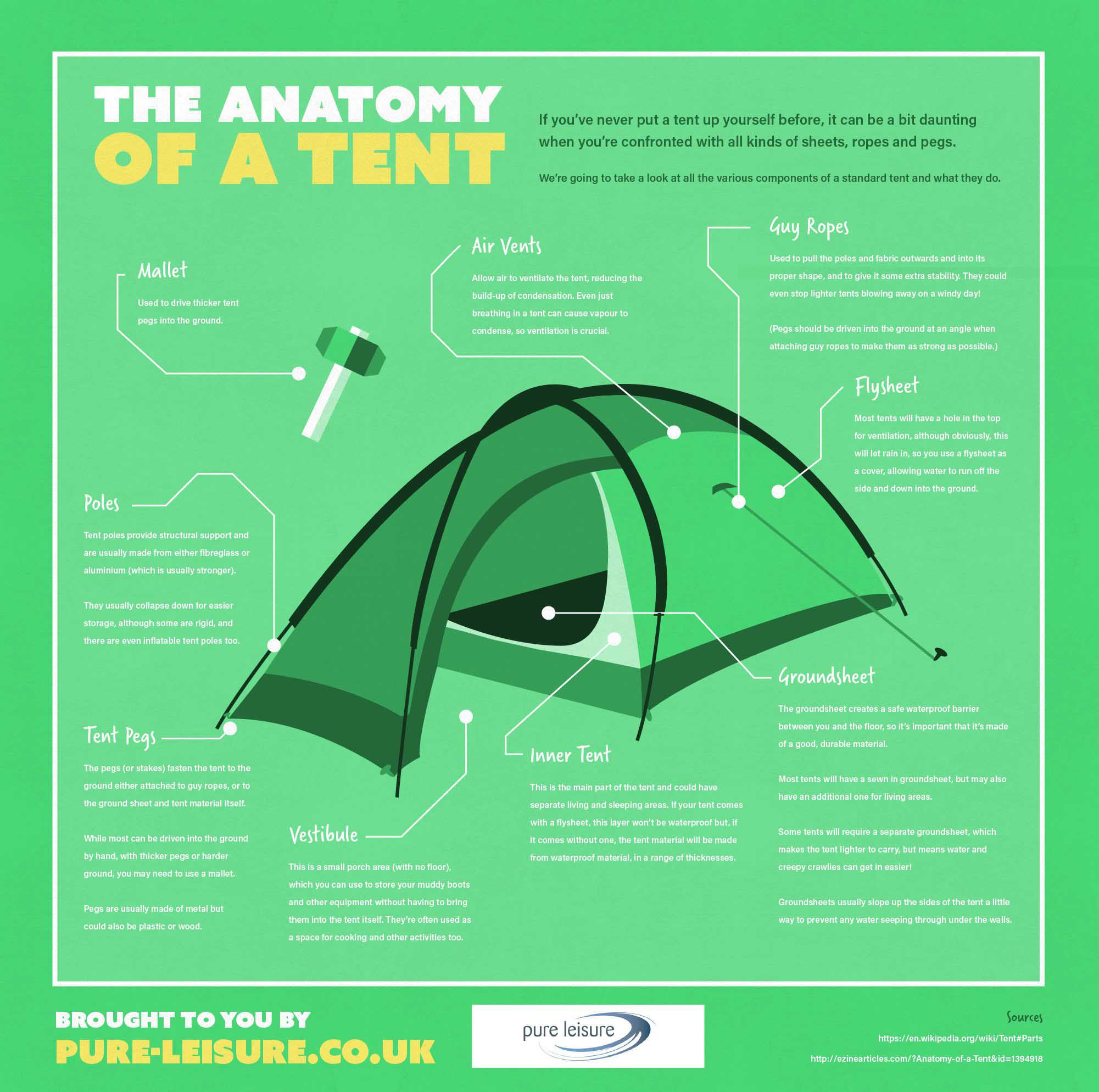
The solitary best means to dry a camping tent is to pitch it in its complete type. This makes certain that every panel gets appropriate air circulation, consisting of the internal camping tent, the rainfly, and the flooring. If you're at home, set it up in your backyard or on an outdoor patio. A garage functions well as well, given there's suitable airflow. Keeping it pitched also enables you to identify any kind of trouble locations-- such as merging water near the base or damp spots along the seams-- that need extra attention.
Step 3-- Choose the Right Drying Atmosphere
Prevent direct midday sunlight whenever possible. While a little bit of morning sun is fine and can help speed up the process, prolonged UV exposure is harming to both the fabric and the DWR covering. A shaded, well-ventilated spot outdoors is perfect. Indoors with a fan running is another superb option, specifically throughout colder or wetter months. The trick corresponds air movement rather than intense heat.
Tip 4-- Do Not Forget the Rainfly and Groundsheet
Dry each part of your outdoor tents individually. The rainfly, internal camping tent body, and groundsheet all need individual attention. The groundsheet specifically often tends to catch moisture on its underside, so flip it over partway through drying out. If your outdoor tents has a footprint, dry that separately as well. Missing any kind of one element and packing everything up together is an usual error that results in localized mold development.
Step 5-- Check the Seams and Zippers
Joints and zippers are infamous for holding wetness long after the rest of the outdoor tents really feels dry. Run your fingers along every taped seam and offer the zipper teeth a close assessment. For zippers, a light brushing or best tent fans a pass with a dry towel can assist draw out any type of trapped water. If your tent makes use of seam tape, guarantee it hasn't begun peeling-- wet problems can trigger edges to raise, making re-sealing required.
What to Avoid When Drying Out a Tent
Never ever put a waterproof outdoor tents in a tumble clothes dryer. The warm will almost certainly harm the PU covering and can thaw seam tape totally. Prevent hanging the tent by a solitary point for too long, as this can stress the material and distort the form. And never pack it away up until you are absolutely particular it is bone dry-- even mild residual dampness suffices to motivate mold development during storage space.
Last Thoughts
Appropriately drying your waterproof outdoor tents is a simple procedure, but it requires a little perseverance and focus to detail. Make it a non-negotiable part of your post-camping regimen, and your tent will certainly reward you with trusted waterproofing and a much longer life-span. Consider it as a small investment of time that protects a much larger financial investment on duty.
Comments on “How To Improve Selling Potential Of Online Camping Tents”